0571-26692003
No. 181 Geyazhuang, Xihu District,Hangzhou, Zhejiang, P.R. China
About TIAS

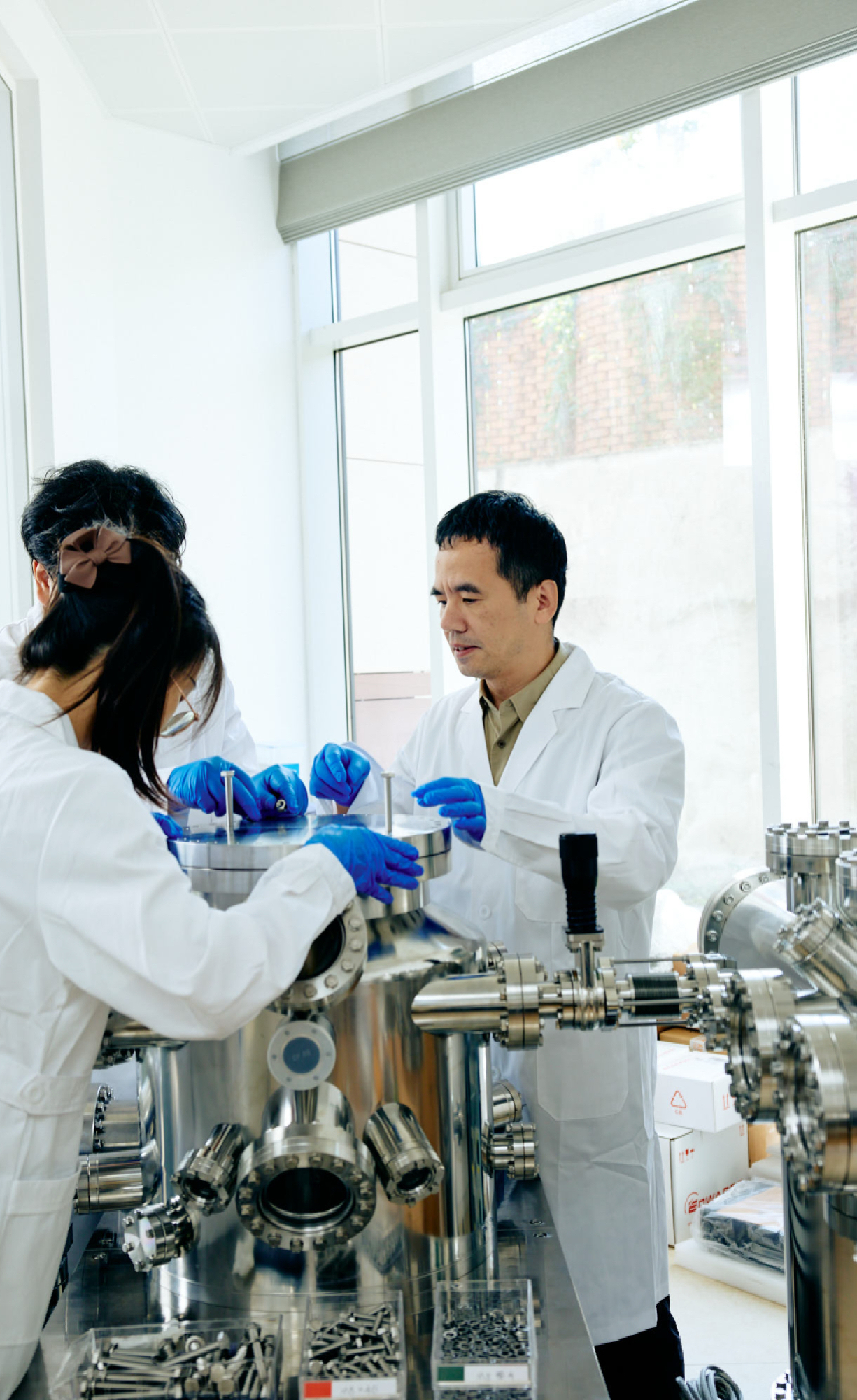
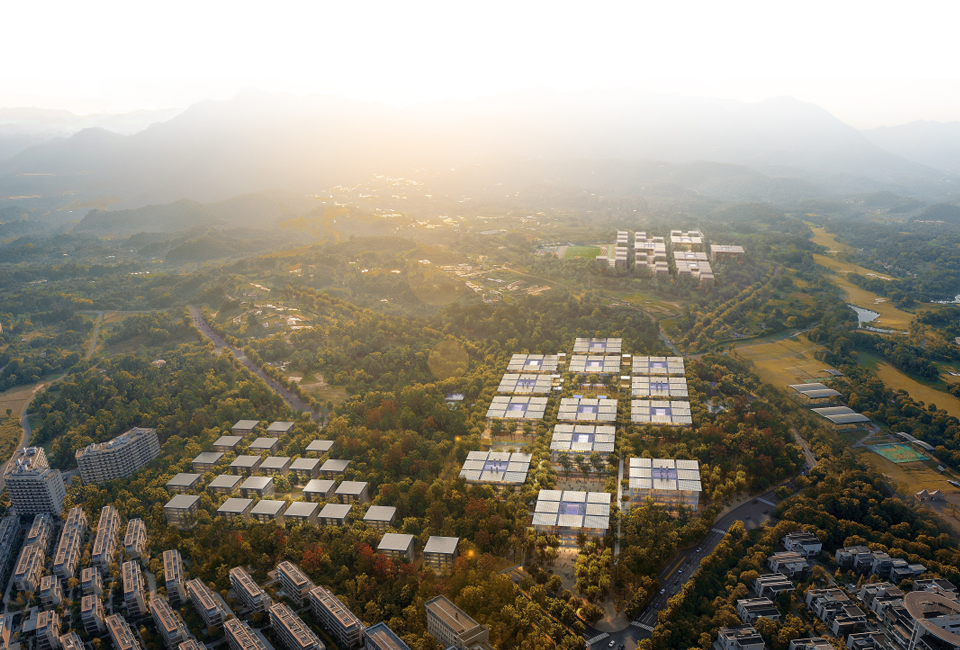
Tsientang Institute for Advanced Study (TIAS) is a nonprofit scientific research and academic institution launched in Hangzhou in 2025. As the founding institution for a new research-intensive university, TIAS is committed to fostering a global academic environment. 
Learn more
About TIAS
Staff
82
Staff
Research Areas
4
Research Areas
Institutes & Laboratories
11
Institutes & Laboratories
Incubation Projects
13
Incubation Projects
Kehul Wu's Team Develops a New Interfacial Epltay Strategy to Fabricate Single -Crystalline AalMoOsNanoflakes, Revealing Strain-Tunable Anisotropic Phonon Polaritons
Highly sensitive acoustic devices based on large freestanding two-dimensional (2D) material-based membranes
Research Results of Professor Kehui Wu’s Team Published in Nature Communications
Research
Kehul Wu's Team Develops a New Interfacial Epltay Strategy to Fabricate Single -Crystalline AalMoOsNanoflakes, Revealing Strain-Tunable Anisotropic Phonon Polaritons
Recently, the research team led by Prof. Kehui Wu from Tsientang Institute for Advanced Study, in collaboration with Songshan Lake Materials Laboratory, has made important progress in the study of ternary molybdate polaritonic materials. Ternary metal molybdates with the general formula A₂(MoO₄)₃ (A = Al, Fe, Cr, etc.) host a wealth of exotic physical properties, including negative thermal expansion, ferroelastic phase transitions and elastic anisotropy. Strong optical phonon modes originating from MoO₄ tetrahedra inside the crystal lattice couple efficiently with mid-infrared photons, making this material family promising candidates for polaritonic applications.
Research
Highly sensitive acoustic devices based on large freestanding two-dimensional (2D) material-based membranes
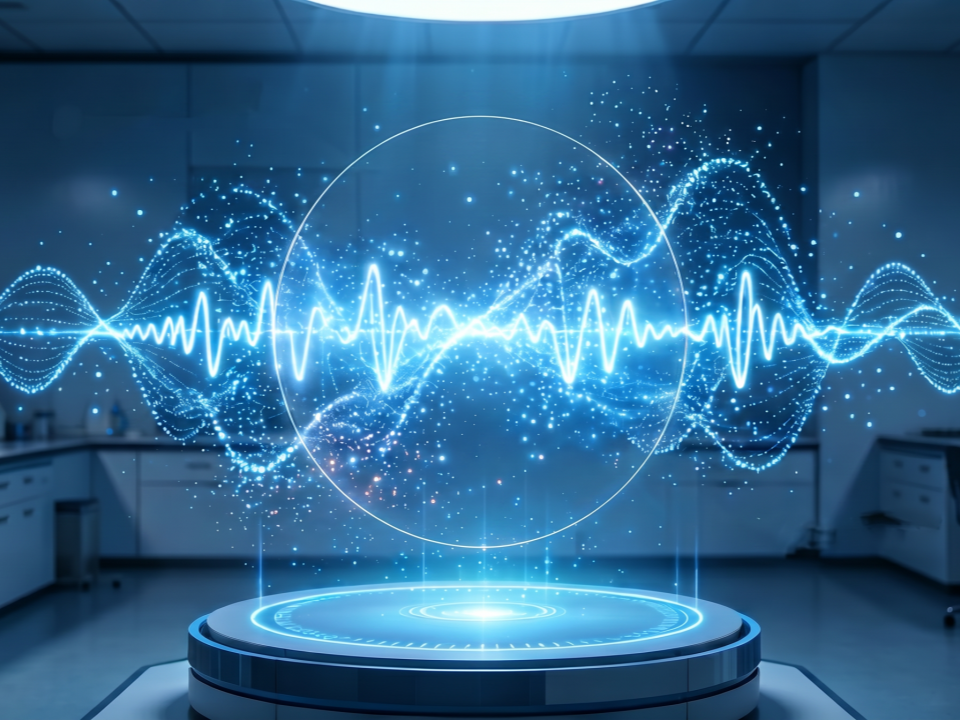
Recently, researchers from the Acoustics Materials and Chip Team of Laboratory of Quantum Materials, in collaboration with Peking University, Songshan Lake Materials Laboratory, and other institutions, have achieved a significant breakthrough in the field of two-dimensional (2D) material-based acoustic sensing. They have innovatively proposed a pressure-assisted double transfer strategy for the constructing of large freestanding 2D material-based membranes. They have successfully fabricated centimetre-scale (largest of 8 cm) tensioned freestanding membranes with and a thickness of only 80 nm and a large D/h ratio (~106), and achieved pressure sensor and microphone with highly sensitive and excellent signal-to-noise ratio.
Research
Research Results of Professor Kehui Wu’s Team Published in Nature Communications
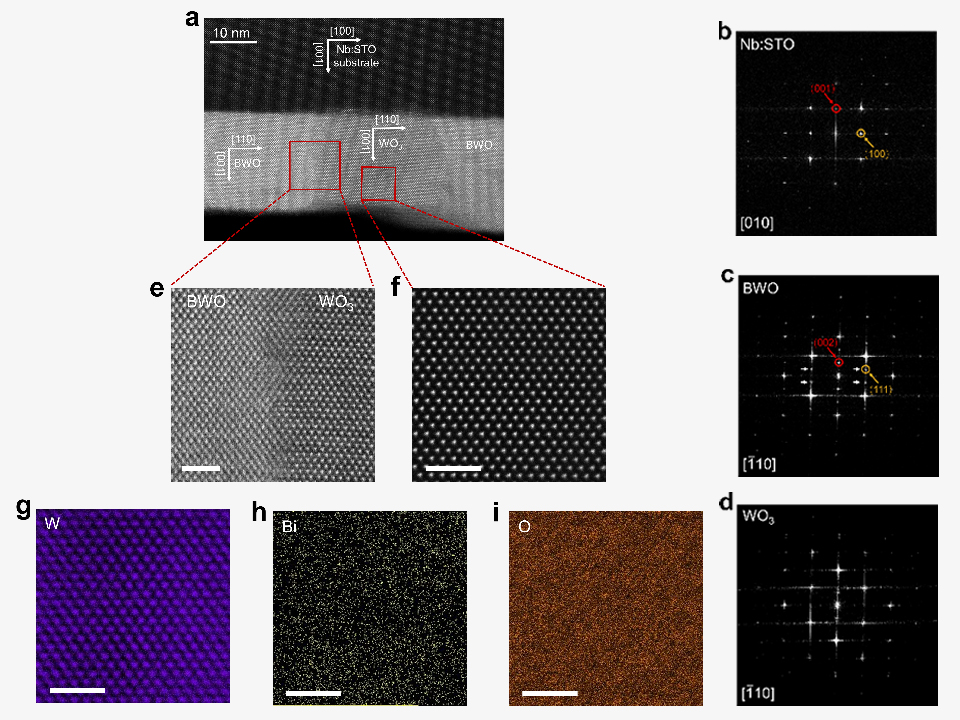
​Recently, the research team led by Professor Kehui Wu from Tsientang Institute for Advanced Study, in collaboration with Zhejiang University, Institute of Physics, Chinese Academy of Sciences, and other institutions, achieved a significant breakthrough in the field of functional oxide thin films. The related research findings, titled “Templated Perpendicular Ferroelectricity in Textured Aurivillius Oxide-based Thin Films,” were published in the top-tier international academic journal Nature Communications on March 13, 2026, with Tsientang Institute for Advanced Study serving as the primary institution.
News & Events
Learn more
Physical Sciences Physical Sciences

Life Sciences Life Sciences

AI & Informatics AI & Informatics

Humanities &<br>Social Sciences Humanities &<br>Social Sciences
Experimental<br> Core Facilities Experimental<br> Core Facilities
Physical Sciences

Physical Sciences

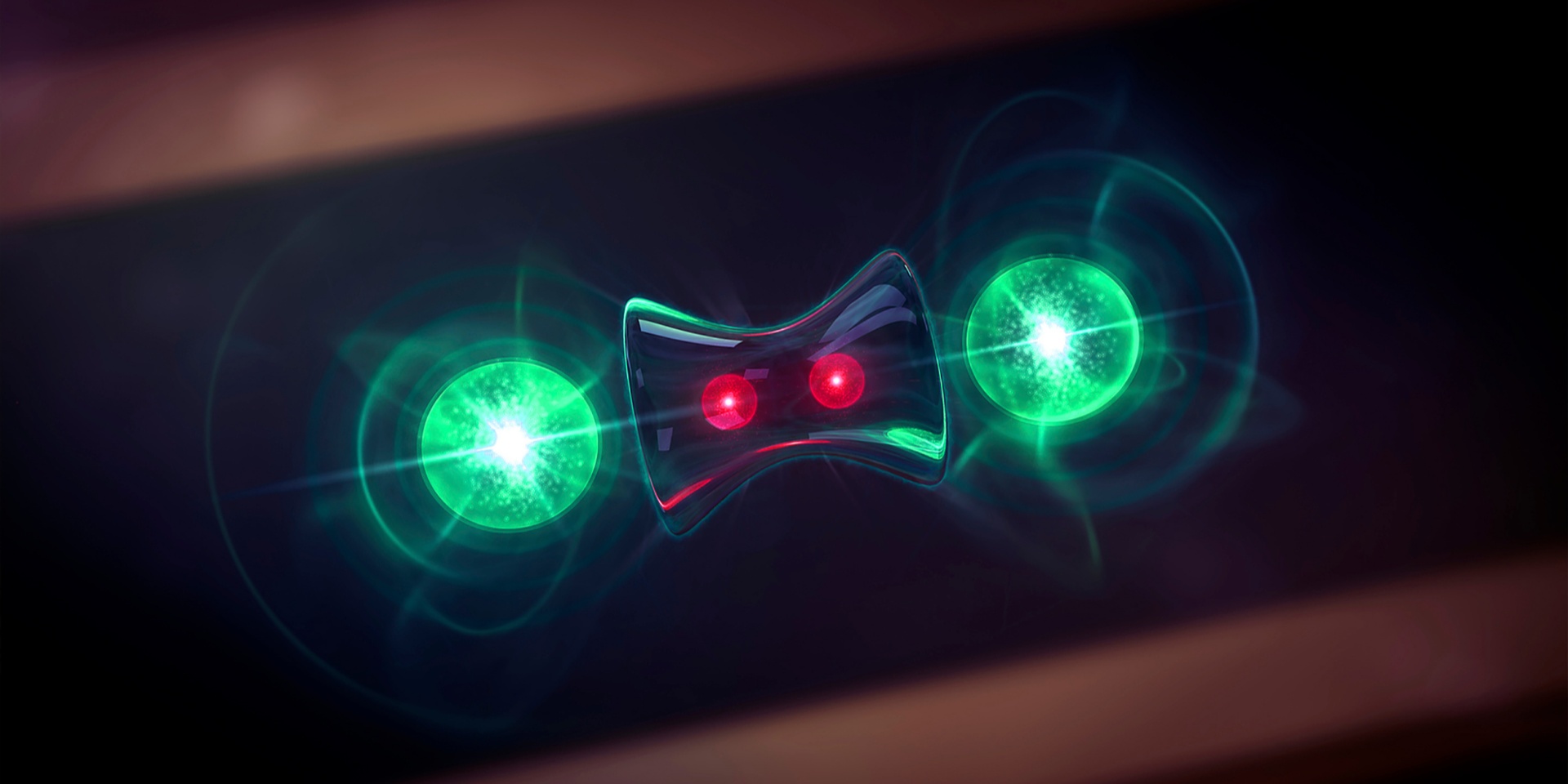
Drives research in quantum materials, low-dimensional materials,
precision instruments, and quantum dynamics. Covers the full spectrum
from material synthesis and characterization to device applications and
instrument development, enabling transformative technologies.
Life Sciences

Life Sciences

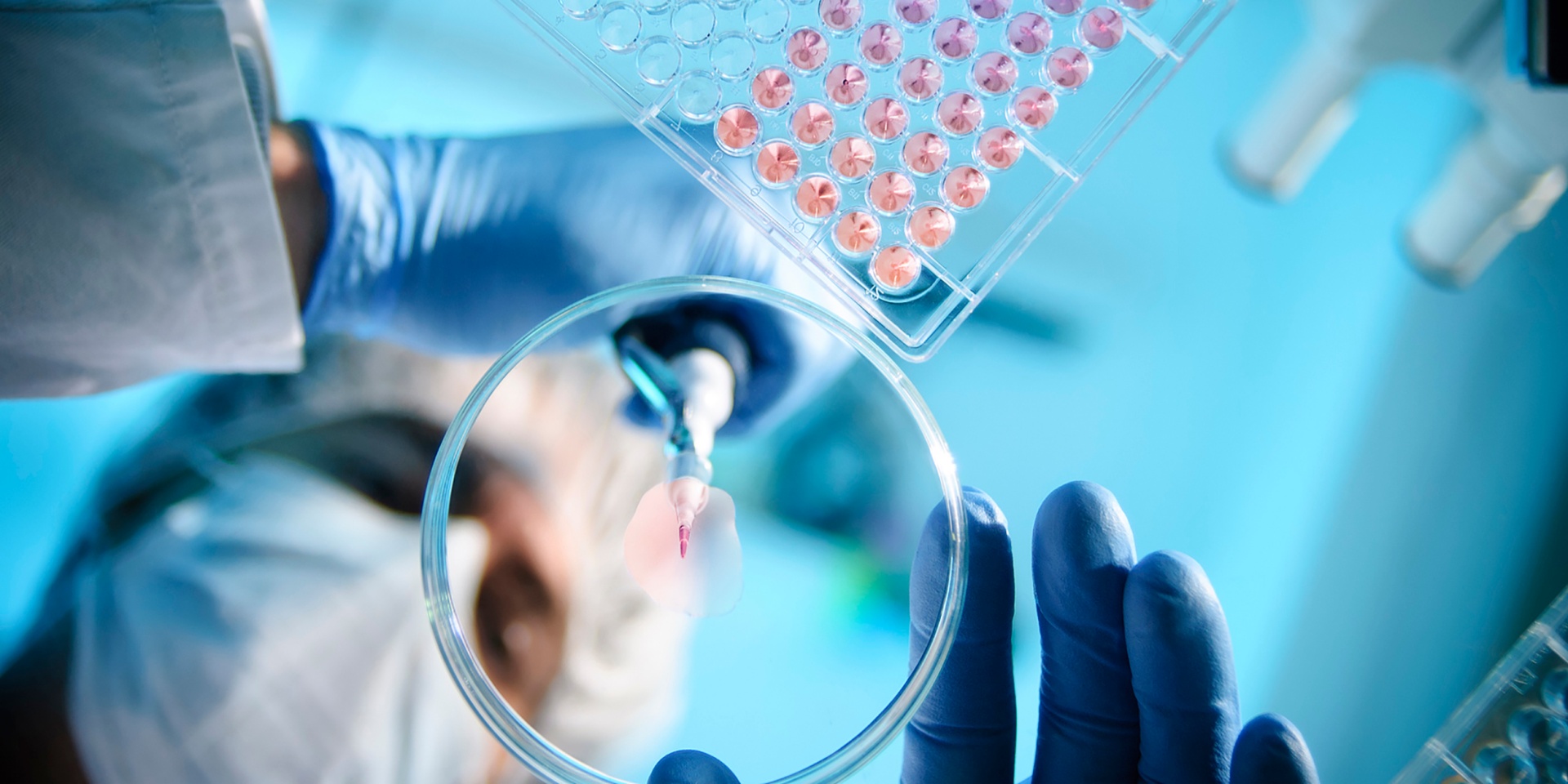
Focus on the cutting-edge interdisciplinary fields of life sciences, integrate mechanistic research,
translational research and product development to achieve in-depth convergence, and provide
cutting-edge scientific support and services for the cause of human health.
AI & Informatics

AI & Informatics

Advances core AI algorithms, efficient model training, and embodied intelligence.
Supports applications in intelligent perception, health informatics, brain–computer
interfaces, and wearable technologies. Enables research and applications in intelligent
perception, health informatics, brain–computer interfaces, and wearable technologies.
Humanities &<br>Social Sciences

Humanities &
Social Sciences

Engages in research on ceramic technology and art, literature, economics
and finance, and innovation and entrepreneurship. Promotes the
integration of humanities with technology and economic development.
Experimental<br> Core Facilities

Experimental
Core Facilities

Establishes specialized platforms—including the micro/nanofabrication
center, liquid helium center, high-performance computing center,
analytical testing center, shared instrument center, and vivarium—to
provide robust technical support and services that empower research
initiatives.
Physical Sciences

Physical Sciences

Life Sciences

Life Sciences

AI & Informatics

AI & Informatics

Humanities &<br>Social Sciences

Humanities &
Social Sciences

Experimental<br> Core Facilities

Experimental
Core Facilities

faculty
Since its establishment, Tsientang Institute for Advanced Study has brought together a distinguished community of scholars from around the world and continues to strengthen its teaching and research environment.
Learn more
faculty
Admissions
In partnership with leading universities in China and abroad, high-level joint doctoral training programs have been developed, forming an innovative talent cultivation system featuring dual mentorship, dual-campus study, and multi-resource support.
Learn more
Admissions