The historical and cultural connotations of Hangzhou are broad and profound. For thousands of years, Hangzhou's culture, represented by The West Lake Culture, The Canal Culture and The Qiantang River Culture, has been integrated in opening up and developed in innovation.
The West Lake Culture
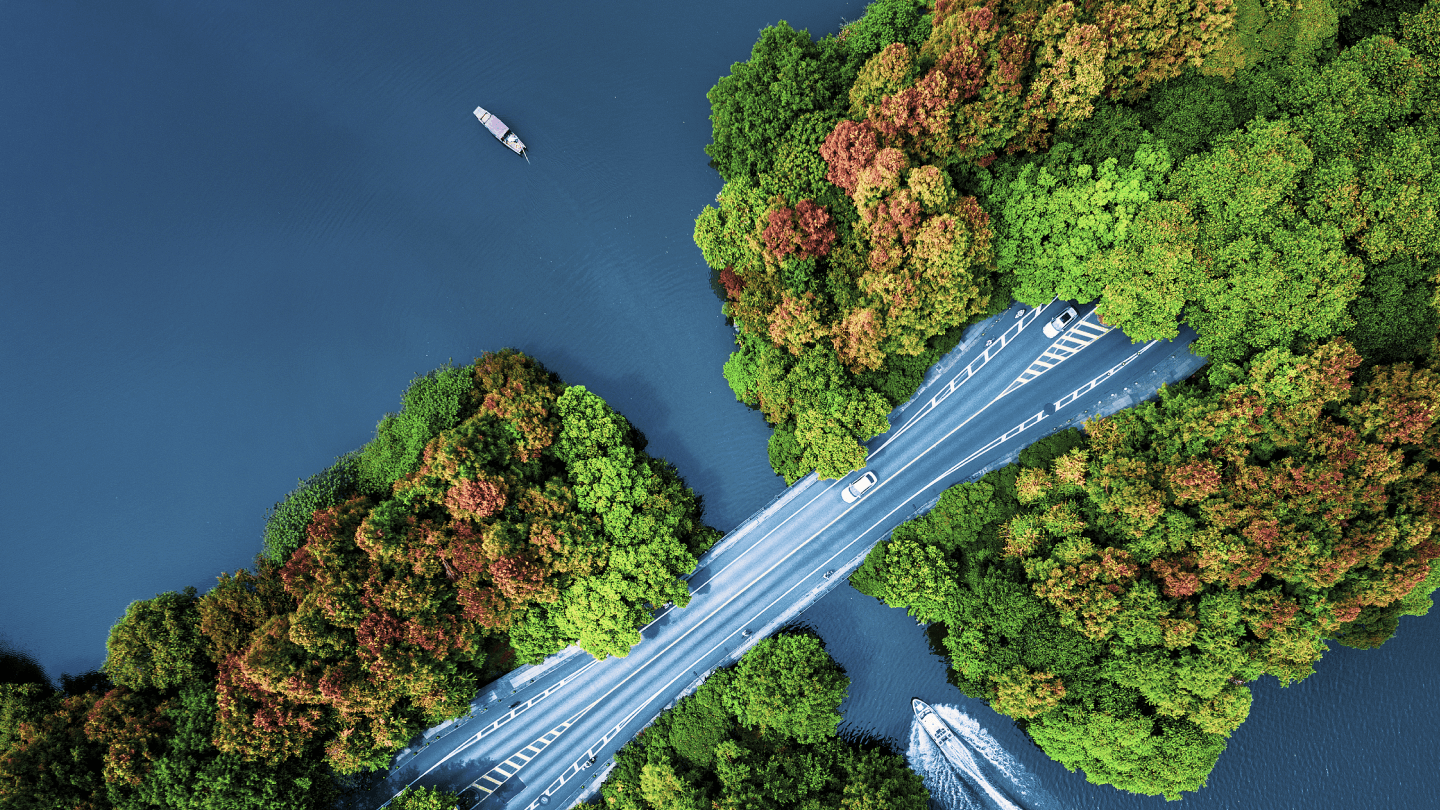
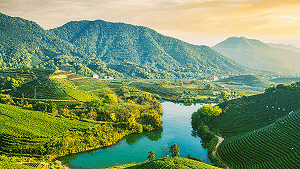
The West Lake culture adopts the essence of the cultures of various periods, such as the cross-lake bridge culture, the Liangzhu culture, the Wuyue culture, the Southern Song Dynasty culture, the Ming and Qing cultures, and the Republic of China culture, and integrates the vast range of landscape culture, garden culture, religious culture, architectural culture, celebrity culture, folk culture, silk culture, tea culture, and food culture, reflecting the exquisite, harmonious and elegant characteristics of the West Lake culture.
The Culture of the Qiantang River
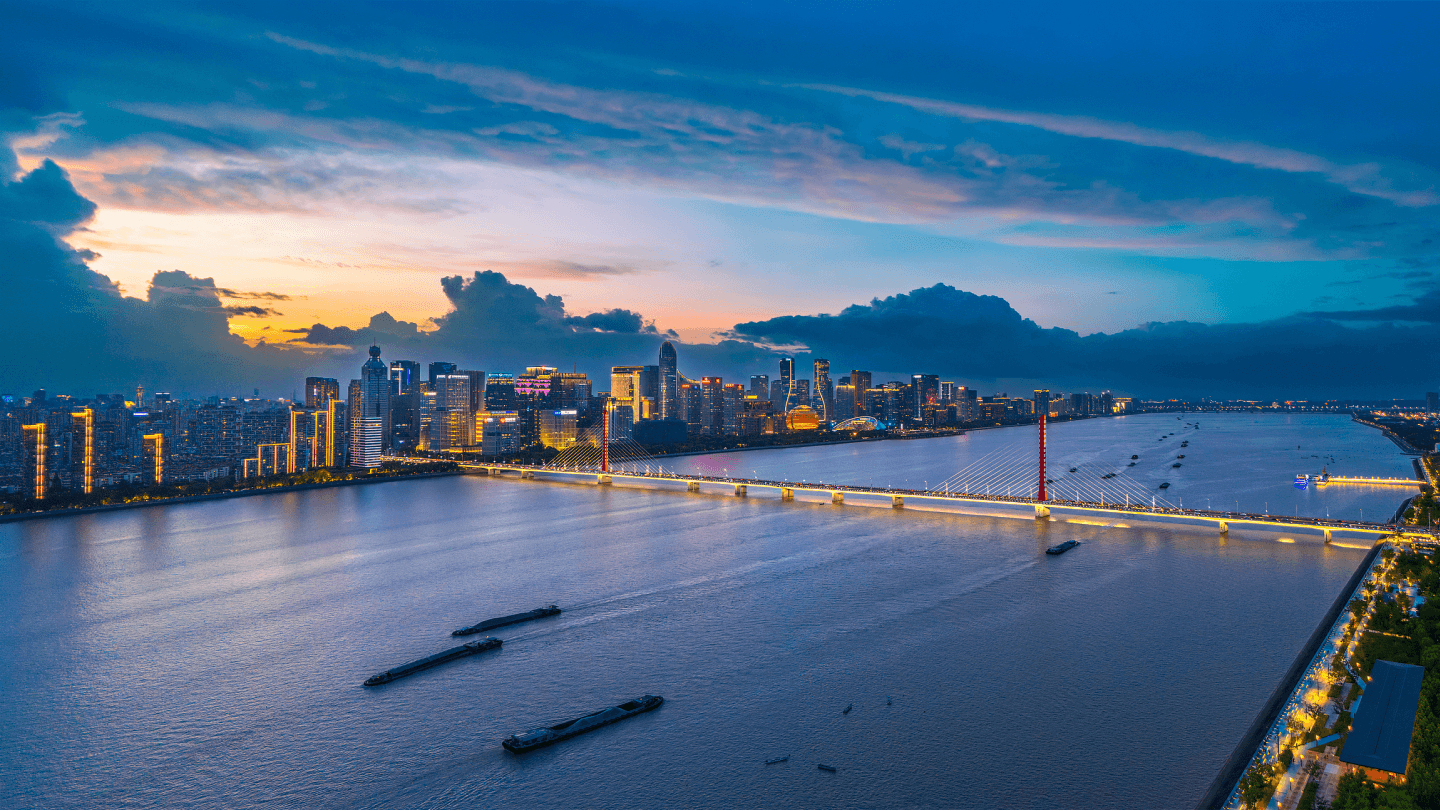
The culture of the Qiantang River is like the rolling tide of Qiantang, which is a symbol of Hangzhou's openness.
The Canal Culture
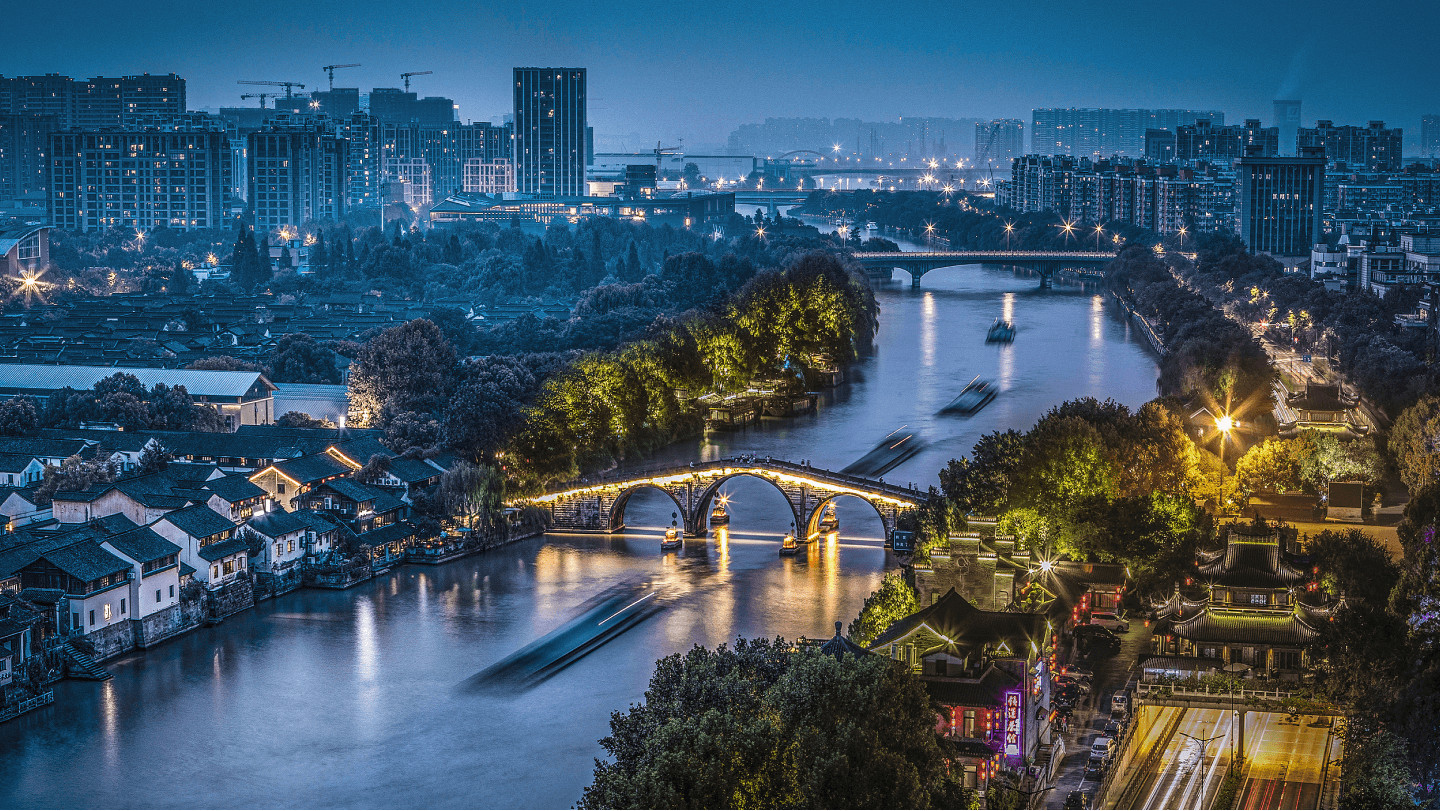
The canal culture integrates water conservancy culture, business culture, product culture, waterscape culture, opera culture, and temple fair culture, reflecting the characteristics of Hangzhou's culture of openness, compatibility and customs.
The Culture of the Qiantang River
One of the seven ancient capitals of China, Hangzhou has been continuously settled for 8,000 years and has existed as a city for the last 5,000 years. The name “Hangzhou” was officially adopted 1,400 years ago during the Sui Dynasty (581-618).
Three periods of Hangzhou’s history had a significant impact on ancient China. Around 5,000 years ago, the ancient city of Liangzhu, now an archaeological site, emerged as what archaeologists call “China’s first city.” In the 10th century, the kingdom of Wuyue advanced livelihoods and Buddhist culture, implementing policies of security and peace that earned Hangzhou the name “heaven on earth.” By 1138, when the Southern Song Dynasty (1127-1279) moved its capital here, Hangzhou flourished as a global hub of culture, commerce, arts, craftsmanship, trade, and foreign exchange. Home to over 1.5 million people, it stood as the world’s greatest metropolis at the time.
Southern Song Culture
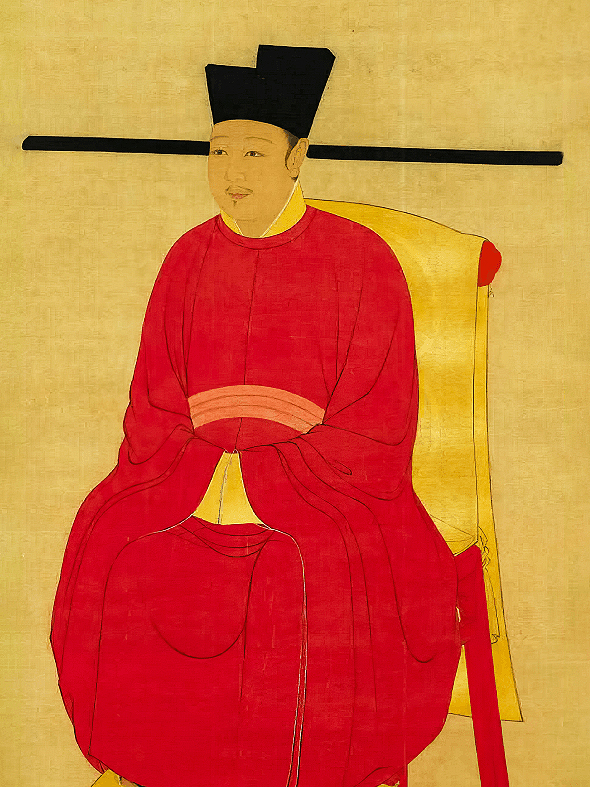
When the Southern Song Dynasty moved its capital to Lin’an (present-day Hangzhou) in 1138, the fusion of Central Plains and Wuyue cultures nurtured a refined and open-minded spirit that came to define Southern Song culture.
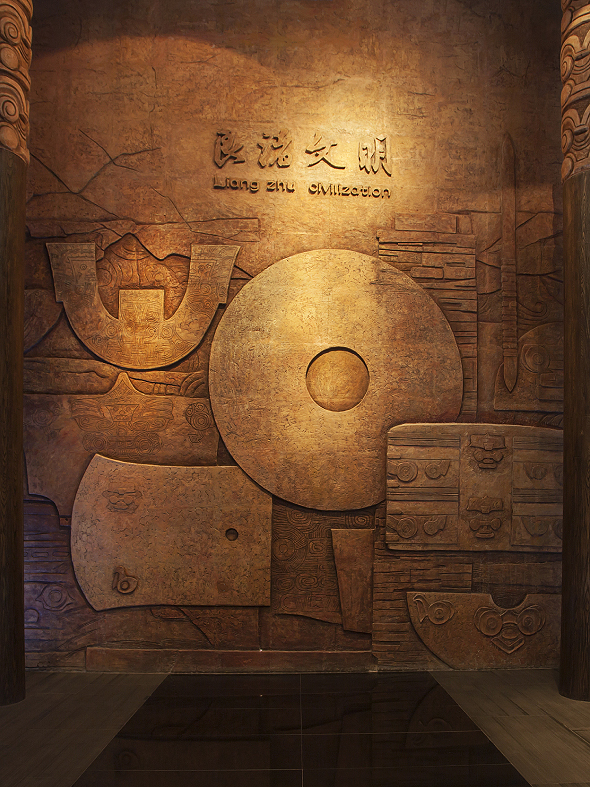
Liangzhu Culture Site
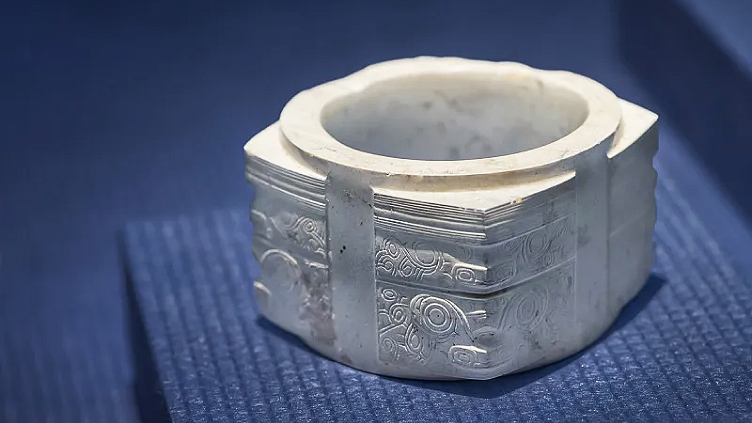
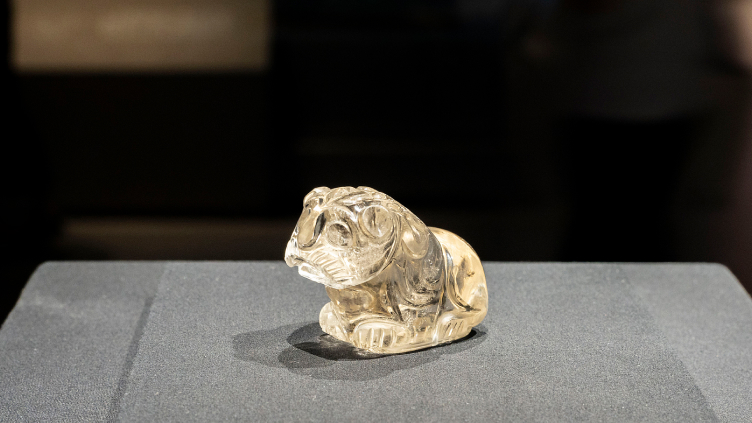
Situated in Yuhang District, north of Hangzhou, the Liangzhu culture dates back approximately 4,500 to 5,300 years. Renowned for the extensive collection of jade artifacts unearthed, the site is considered the genetic source of Chinese culture.
Wuyue Culture
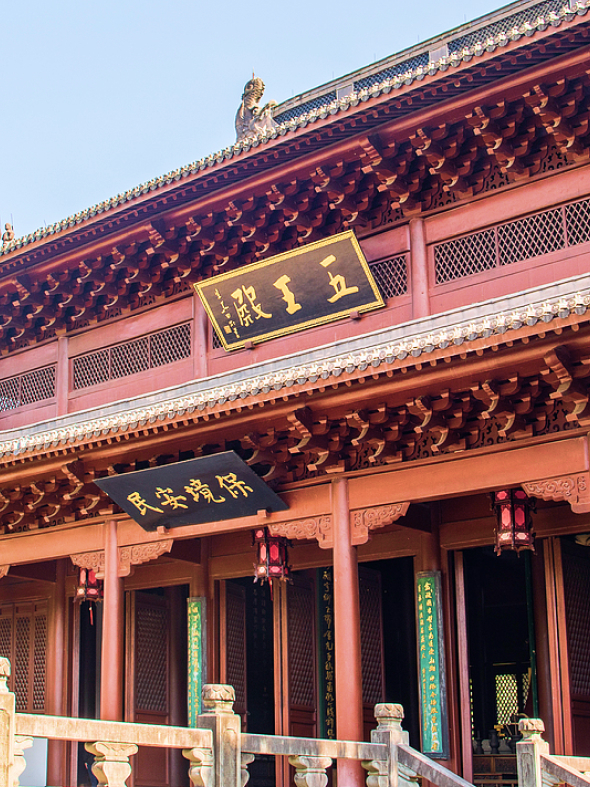
With its distinct regional identity, Wuyue culture, founded by King Qian, prospered under the five successive kings across three generations. Through their enduring efforts, it reached unprecedented heights , marked notably by the flourishing of Buddhism.
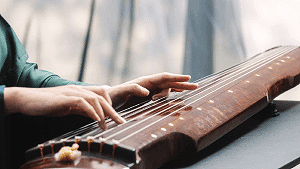
Hangzhou is among China’s major centers of traditional arts and crafts design, production, sales, and international trade. Three of its traditional legacies are recognized on the UNESCO Representative List of the Intangible Cultural Heritage of Humanity: the Xiling Seal Engraver’s Society, the Yuhang rinsing silk wadding manufacturing craftsmanship and Hangluo silk weaving craftsmanship, and the guqin art of Zhe School – an ancient Chinese zither art.