0571-26692003
No. 181 Geyazhuang, Xihu District,Hangzhou, Zhejiang, P.R. China
About TIAS

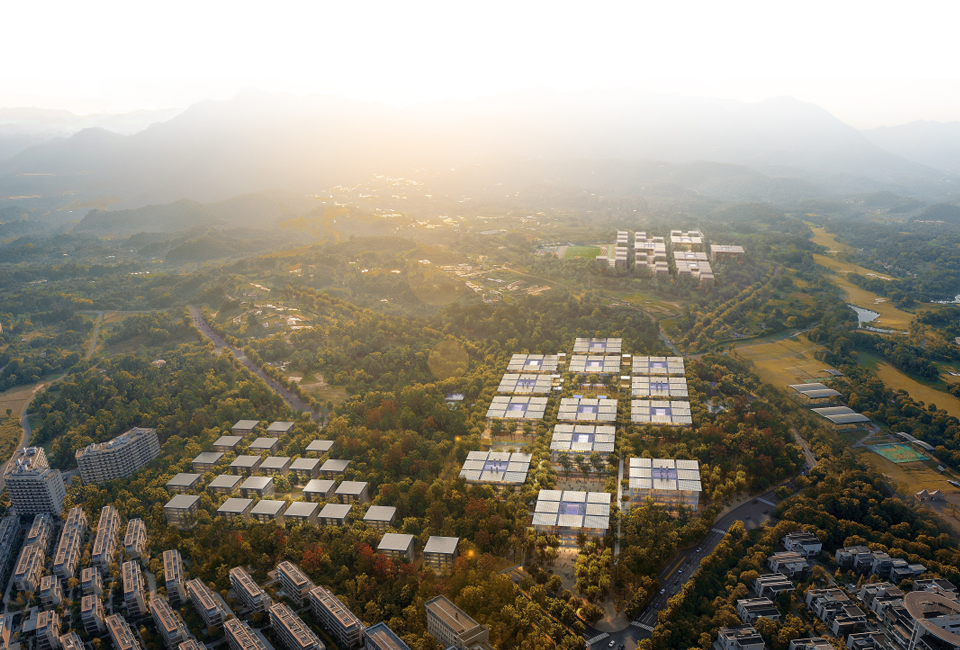
Tsientang Institute for Advanced Study (TIAS) is a nonprofit scientific research and academic institution launched in Hangzhou in 2025. As the founding institution for a new research-intensive university, TIAS is committed to fostering a global academic environment. 
Learn more
About TIAS
Staff
82
Staff
Research Areas
4
Research Areas
Institutes & Laboratories
11
Institutes & Laboratories
Incubation Projects
13
Incubation Projects
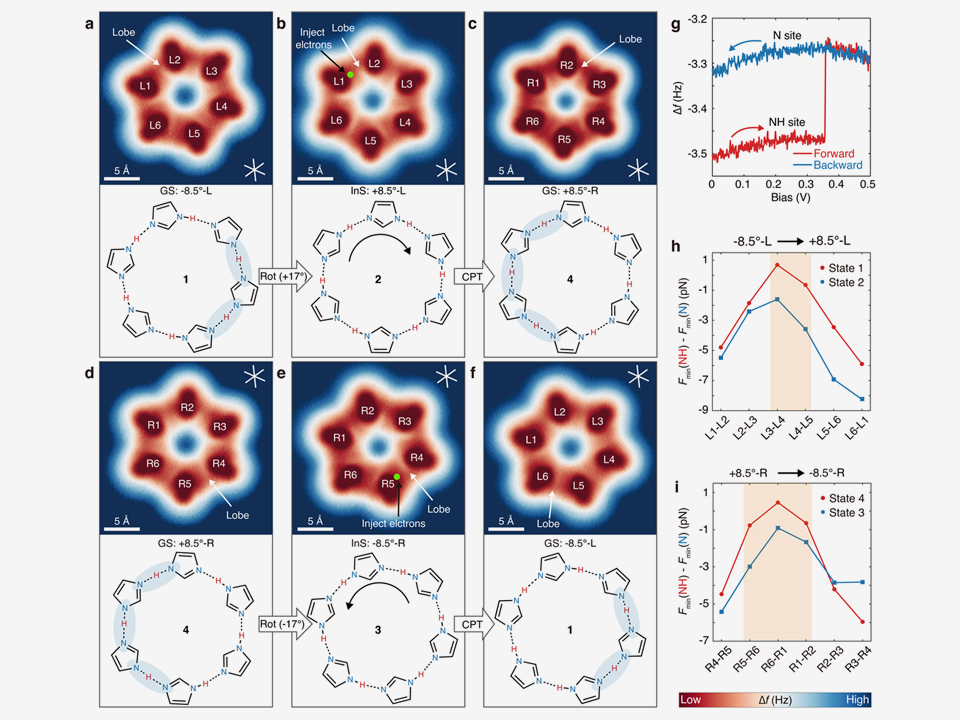
Atomic Force Spectroscopy Reveals Symmetry Breaking in Proton Arrangement of Surface-Confined Cyclic Hydrogen Bonds
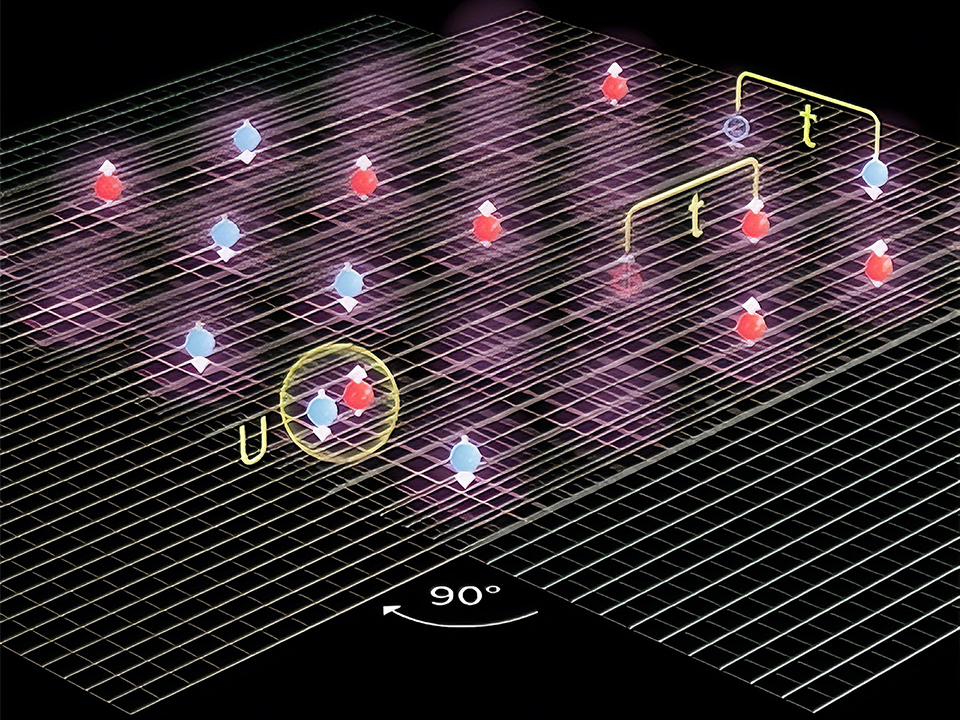
A Simple Twist Unlocks Square-Lattice Moiré Quantum Materials
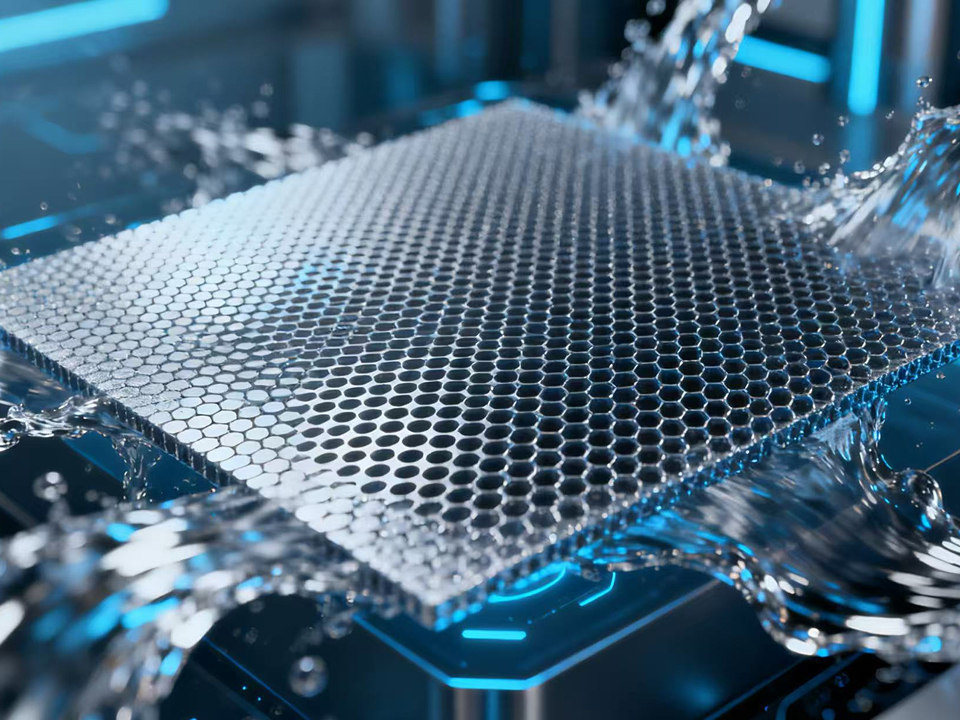
High-Pressure and High-Flux Nanofiltration Breakthrough: Revolutionary Graphene-CNT Membrane
Research
Atomic Force Spectroscopy Reveals Symmetry Breaking in Proton Arrangement of Surface-Confined Cyclic Hydrogen Bonds
Recently, researchers from the Institute of Physics, Chinese Academy of Sciences, and the Tsientang Institute for Advanced Study, Zhejiang, have unveiled a groundbreaking study revealing anomalous rotational-symmetry breaking in proton arrangement within cyclic hydrogen bonds. Utilizing bond-resolved atomic force microscopy and spectroscopy (BR-AFM/AFS), the team investigated proton behaviors in surface-confined benzimidazole (BI) assemblies. The study highlights the coexistence of localized and quantum-delocalized protons, demonstrating that quantum effects significantly influence proton ordering in hydrogen bonds. This research reveals proton order-breaking phenomena in cyclic hexamers, where protons exhibit both localized and quantum-delocalized behavior. The study employed Path Integral Molecular Dynamics (PIMD) simulations, showing that quantum tunneling plays a crucial role in proton delocalization. This finding offers new insights into the quantum effects in hydrogen bonding and provides experimental support for designing quantum states in molecular structures. Moreover, the team demonstrated that a single BI hexamer can reversibly switch between four distinct proton-ordering states. By manipulating adsorption configurations and inducing collective proton transfer, they successfully reversed the chirality of cyclic hydrogen bonds, offering a novel pathway for the development of proton-based quantum materials. This research paves the way for the design of new quantum materials, such as organic ferroelectrics, and offers a fresh perspective on molecular-level proton transfer mechanisms. This research was led by Professor Yi-Qi Zhang from the Institute of Physics, Chinese Academy of Sciences, and Professor Kehui Wu from the Tsientang Institute for Advanced Study, Zhejiang. The related results were published on December 2, 2025, in Nature Communications (https://doi.org/10.1038/s41467-025-66848-9). Professor Wu is a recipient of the National Outstanding Youth Fund and a leading talent in scientific and technological innovation under the National "Ten Thousand Talents Program." He has focused extensively on surface and interface science of low-dimensional quantum materials, significantly advancing the team's continuous progress and development in the field of quantum materials.
Research
A Simple Twist Unlocks Square-Lattice Moiré Quantum Materials
One of the main goals of twistronics—the study of stacked 2D materials rotated slightly with respect to one another—has been to reproduce and better understand the unusual electronic behaviors found in copper oxide, or cuprate, superconductors. Early excitement centered on twisted bilayer graphene, but that system turned out to behave differently and more intricately than expected. We propose a clearer route toward realizing cuprate-like physics: rotating two or more rectangular-lattice 2D layers by 90 degrees. This simple rotation produces a square moiré pattern that traps electrons in flat, low-energy bands, allowing their interactions to dominate and give rise to rich collective behavior.
Research
High-Pressure and High-Flux Nanofiltration Breakthrough: Revolutionary Graphene-CNT Membrane
Associate Professor Kehai Liu of the Acoustics Materials and Chip Team at the Zhejiang Qiantang Institute for Basic Sciences, in collaboration with multiple universities, has published groundbreaking research in Advanced Functional Materials (DOI: 10.1002/adfm.202503432).
News & Events
Learn more
Physical Sciences Physical Sciences

Life Sciences Life Sciences

AI & Informatics AI & Informatics

Humanities &<br>Social Sciences Humanities &<br>Social Sciences
Experimental<br> Core Facilities Experimental<br> Core Facilities
Physical Sciences

Physical Sciences

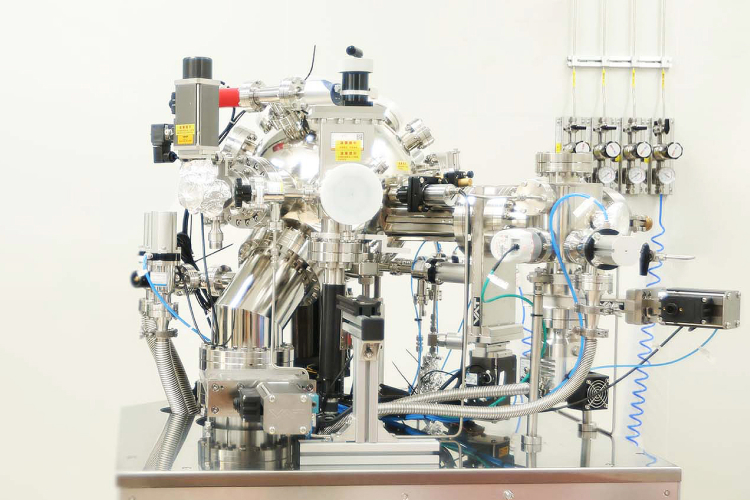
Drives research in quantum materials, low-dimensional materials,
precision instruments, and quantum dynamics. Covers the full spectrum
from material synthesis and characterization to device applications and
instrument development, enabling transformative technologies.
Life Sciences

Life Sciences

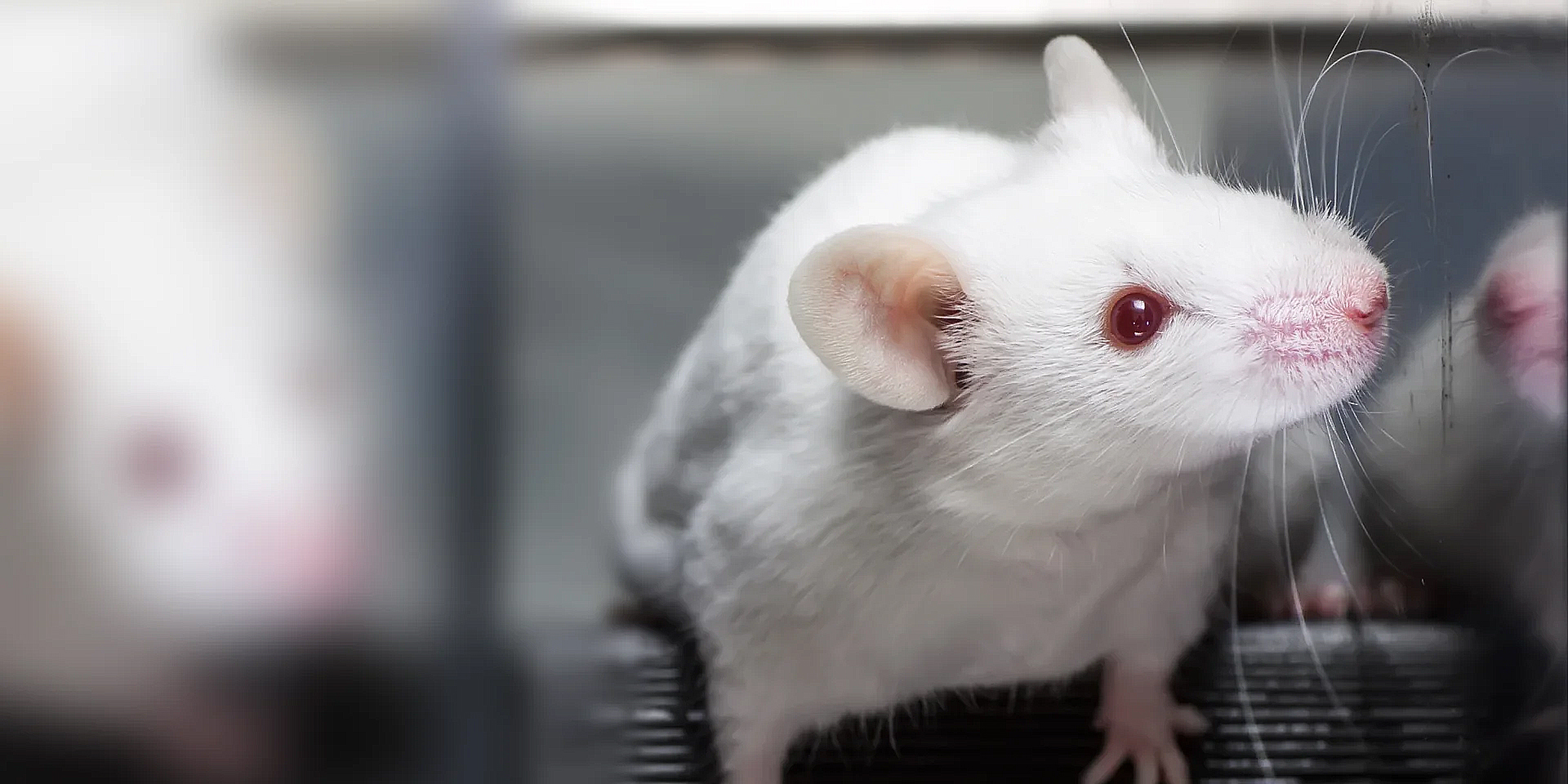
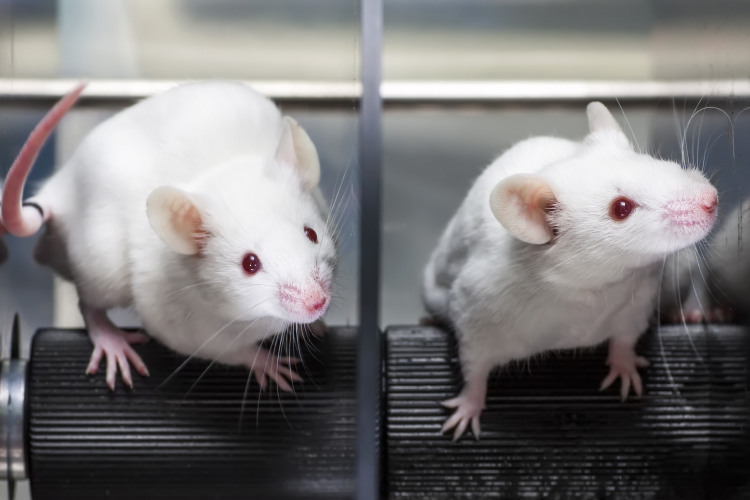
Focus on the cutting-edge interdisciplinary fields of life sciences, integrate mechanistic research,
translational research and product development to achieve in-depth convergence, and provide
cutting-edge scientific support and services for the cause of human health.
AI & Informatics

AI & Informatics

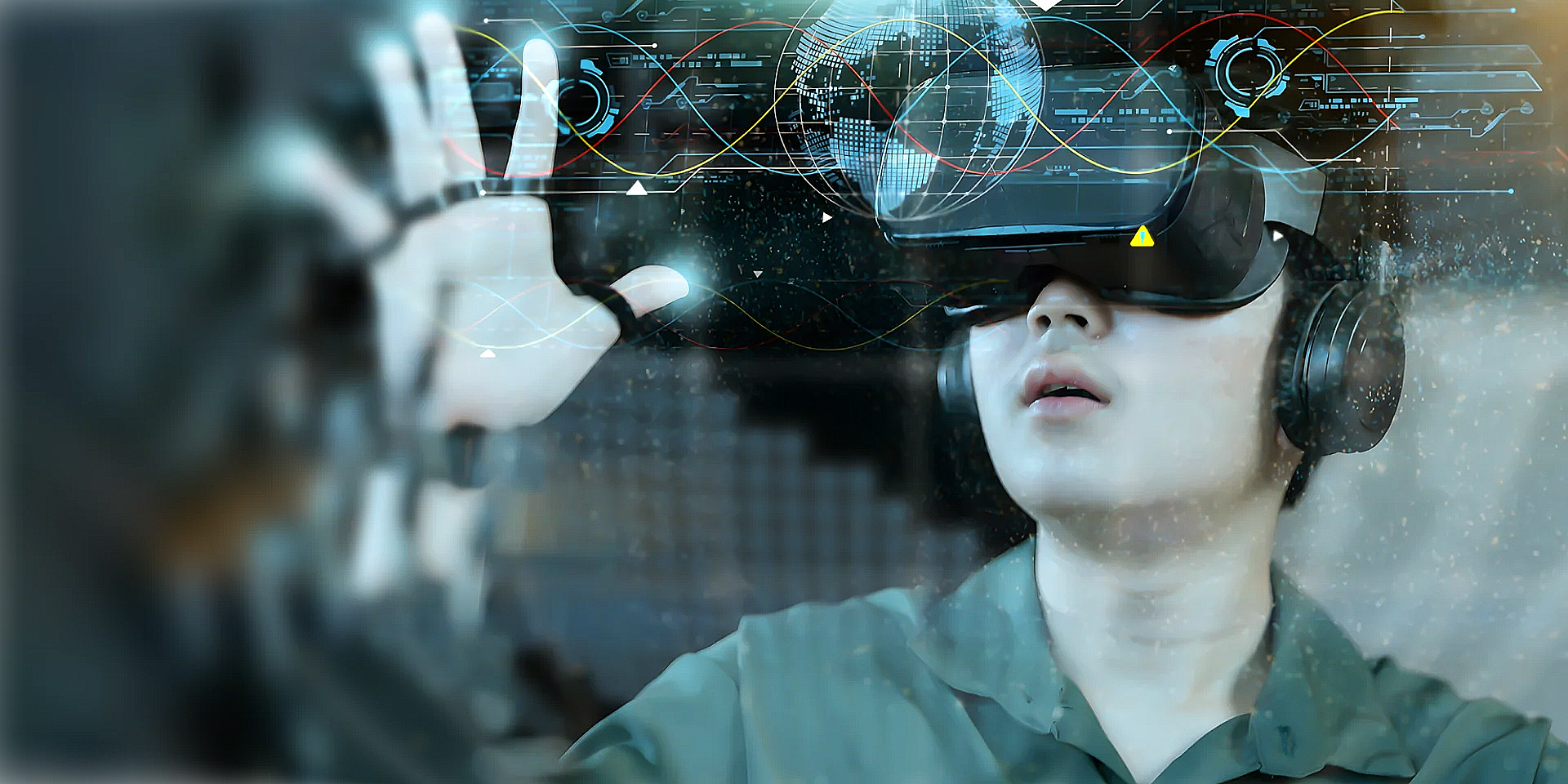
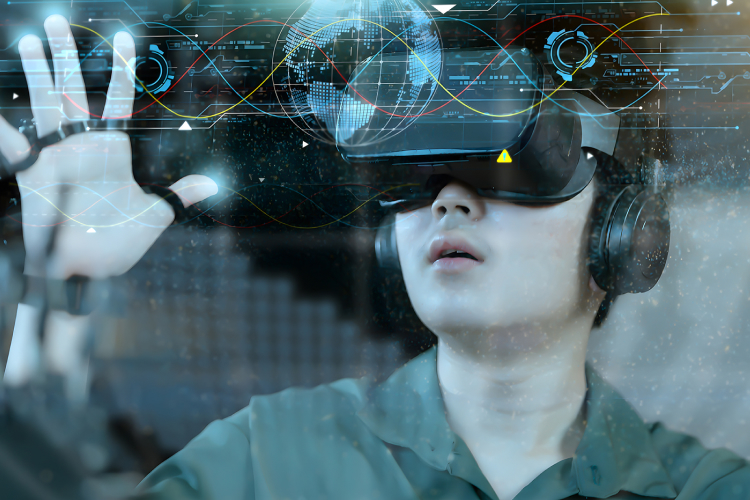
Advances core AI algorithms, efficient model training, and embodied intelligence.
Supports applications in intelligent perception, health informatics, brain–computer
interfaces, and wearable technologies. Enables research and applications in intelligent
perception, health informatics, brain–computer interfaces, and wearable technologies.
Humanities &<br>Social Sciences

Humanities &
Social Sciences

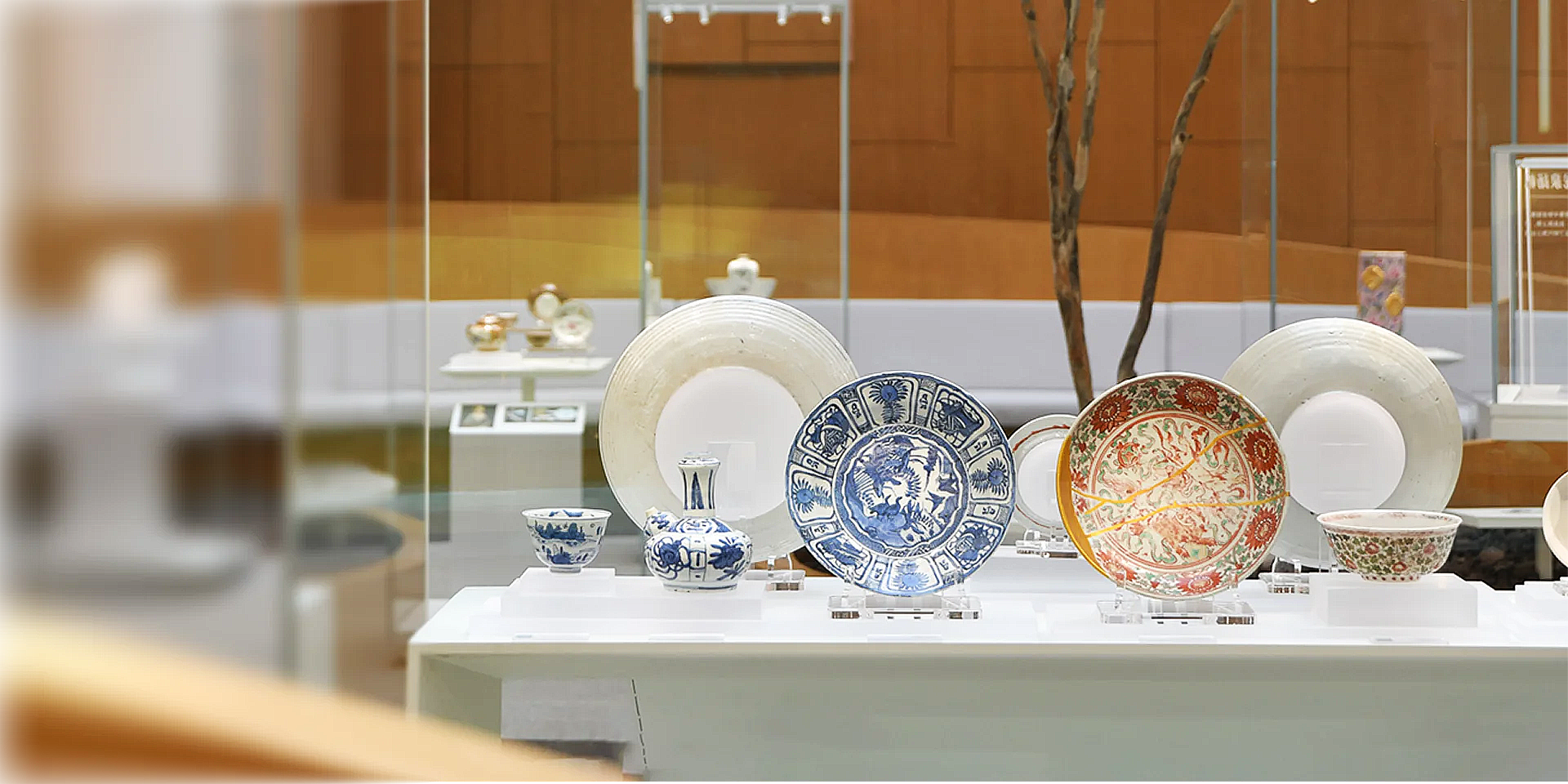
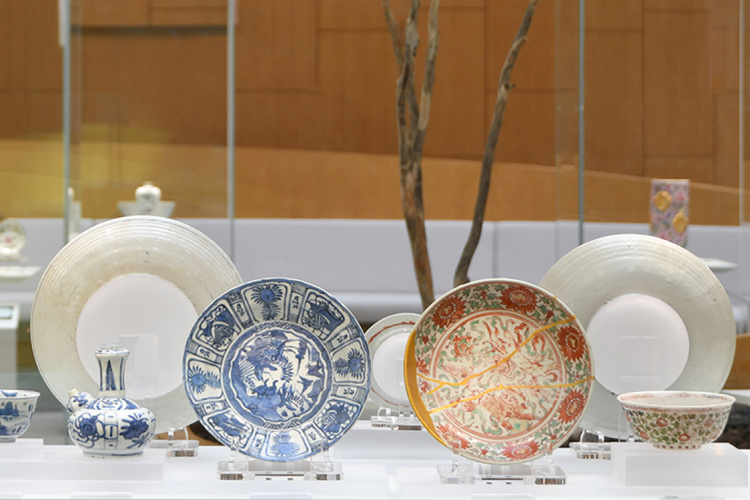
Engages in research on ceramic technology and art, literature, economics
and finance, and innovation and entrepreneurship. Promotes the
integration of humanities with technology and economic development.
Experimental<br> Core Facilities

Experimental
Core Facilities
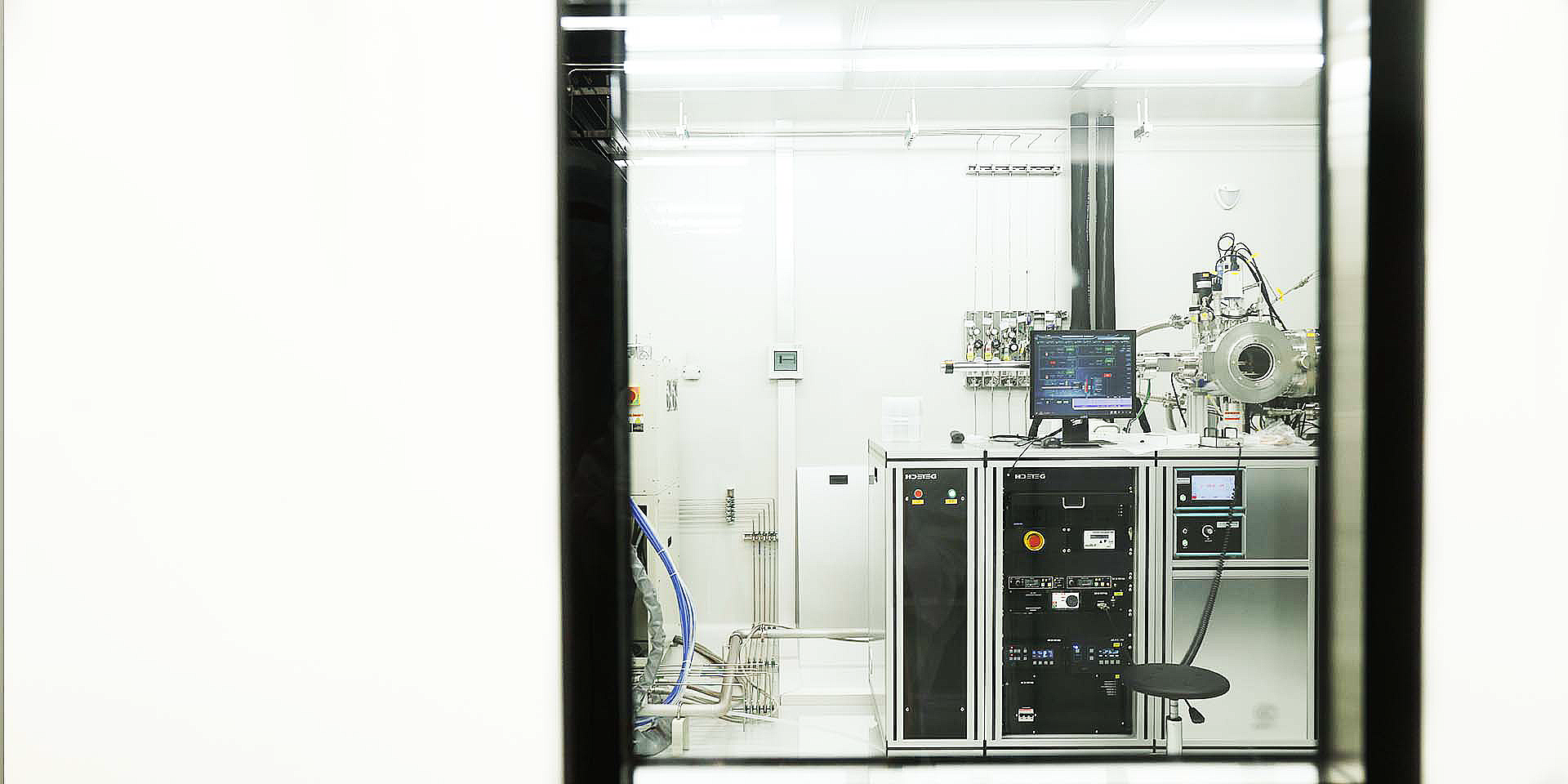
Establishes specialized platforms—including the micro/nanofabrication
center, liquid helium center, high-performance computing center,
analytical testing center, shared instrument center, and vivarium—to
provide robust technical support and services that empower research
initiatives.
Physical Sciences

Physical Sciences

Life Sciences

Life Sciences

AI & Informatics

AI & Informatics

Humanities &<br>Social Sciences

Humanities &
Social Sciences

Experimental<br> Core Facilities

Experimental
Core Facilities
faculty
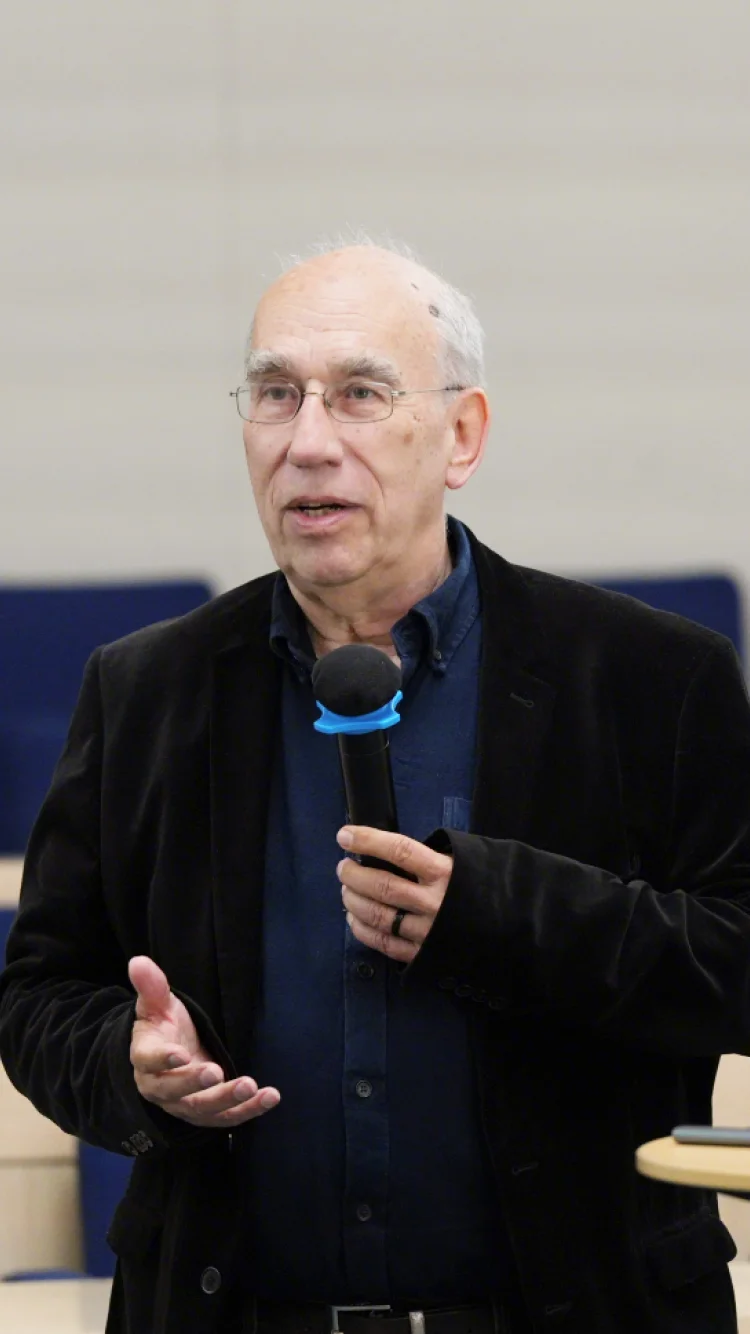
Since its establishment, Tsientang Institute for Advanced Study has brought together a distinguished community of scholars from around the world and continues to strengthen its teaching and research environment.
Learn more
faculty
Admissions
In partnership with leading universities in China and abroad, high-level joint doctoral training programs have been developed, forming an innovative talent cultivation system featuring dual mentorship, dual-campus study, and multi-resource support.
Learn more
Admissions