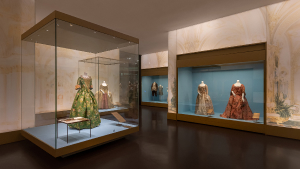
杭州的历史和文化内涵博大而深远。数千年来,以西湖文化、运河文化以及钱塘江文化为代表的杭州文化,一直在开放中融合,在创新中发展。
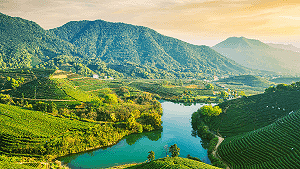
西湖文化
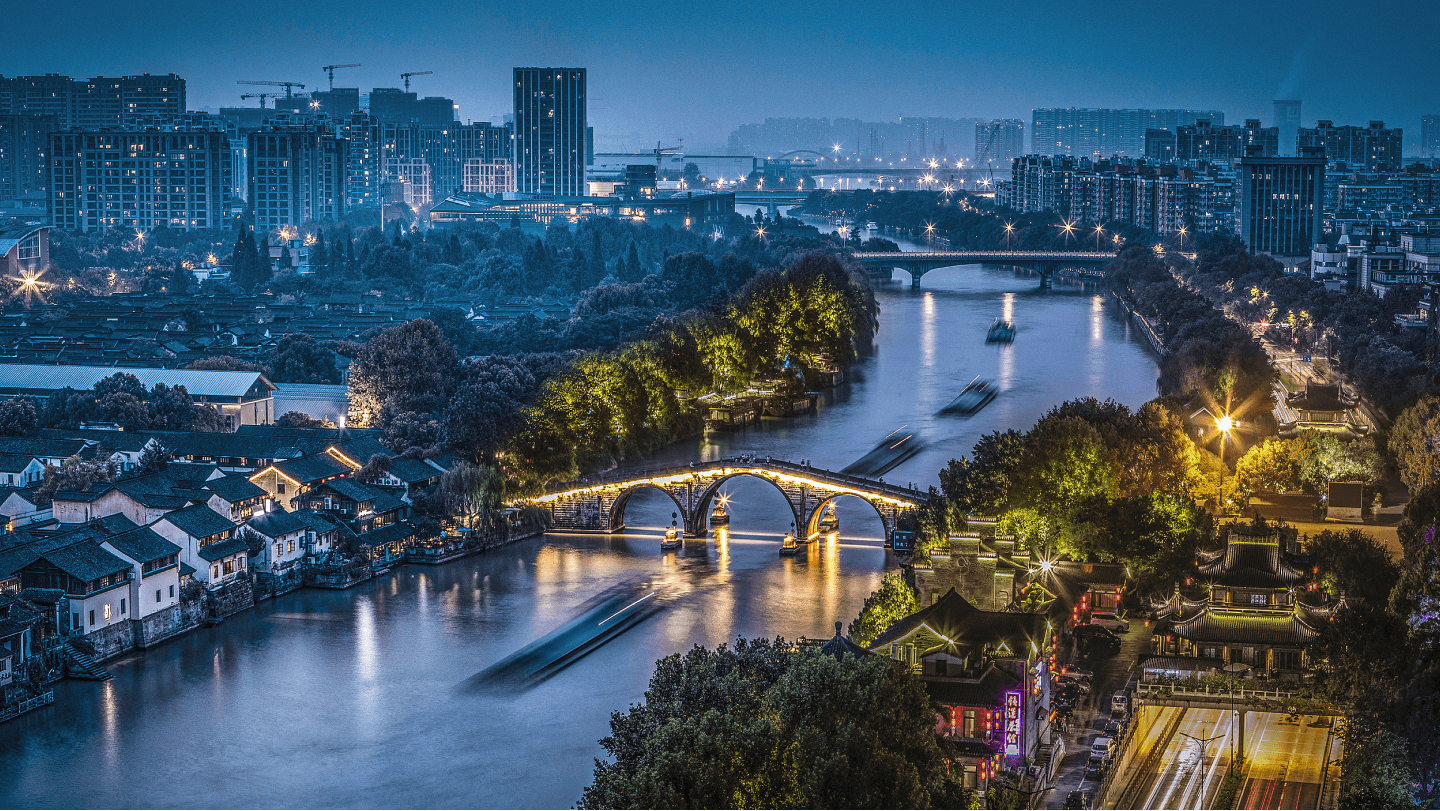
运河文化汲取了千年漕运的舟楫便利、南北交融的市井繁华以及古今辉映的商贸活力,并将精湛的水利漕运文化、繁荣的工商市舶文化、多元的宗教庙会文化、雅俗共赏的戏曲非遗文化以及诗意栖居的街区园林文化融为一体,体现了运河文化开放包容、兼容并蓄、生生不息的特点。
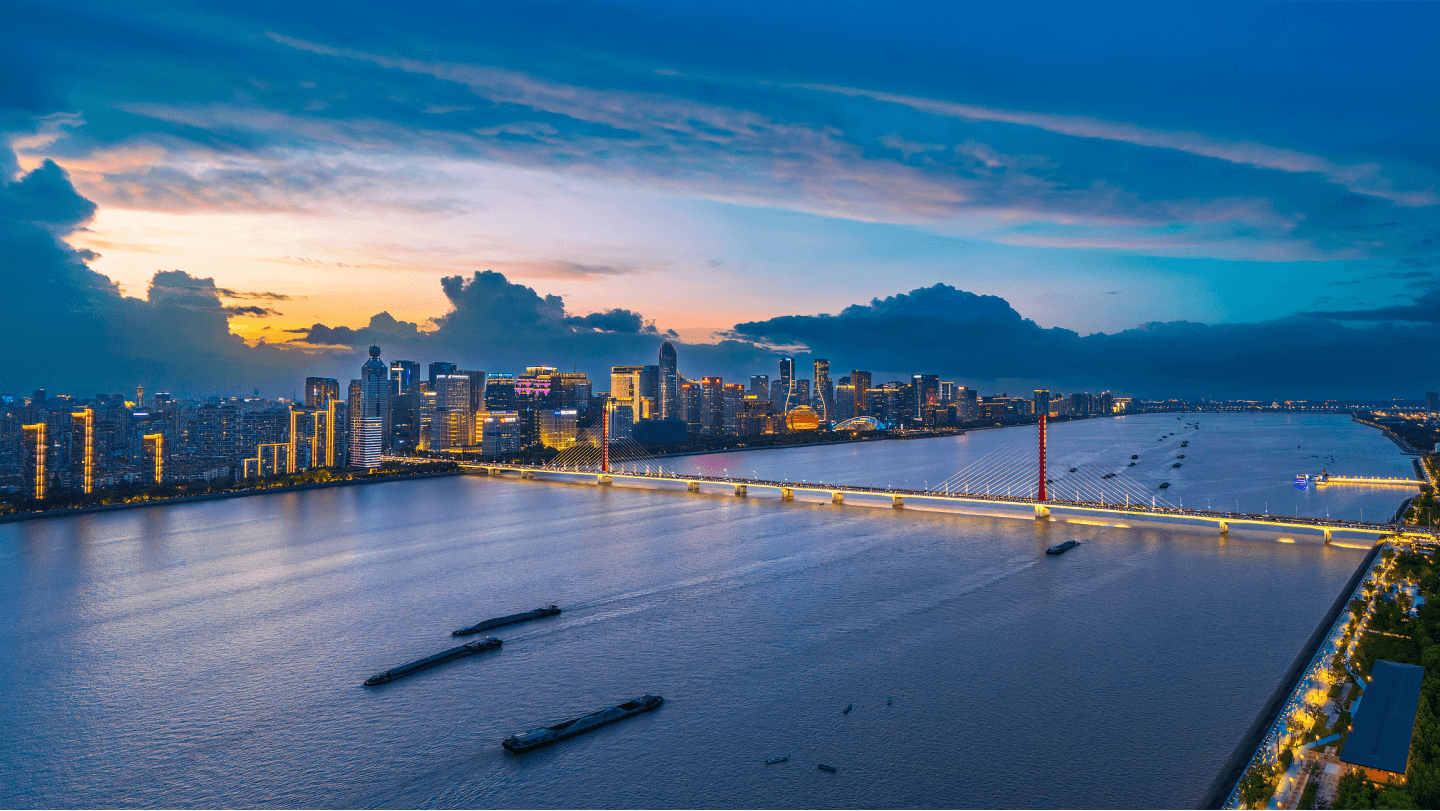
钱塘文化
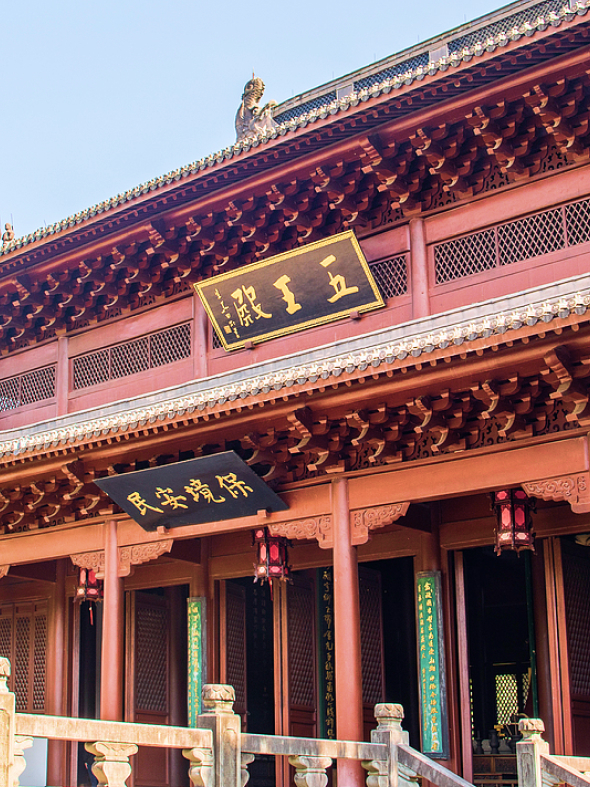
钱塘文化汲取了吴越国“保境安民”的治水智慧、南宋文化的世俗繁华以及近现代勇立潮头的时代精神,并将宏大的海塘水利工程文化、独特的江潮民俗信仰、繁荣的商贸金融文化、兼容并蓄的移民文化以及敢为人先的创新文化融为一体,体现了钱塘文化大气开放、务实进取、奔竞不息的特点。
运河文化
运河文化融合了水利文化、商业文化、产品文化、水景观文化、戏曲文化以及寺庙庙会文化,体现了杭州文化开放包容、兼容并蓄的特点。
杭州有8000年文明史、5000年建城史,是中国七大古都之一,“杭州”正式定名于1400年前的隋朝时期。
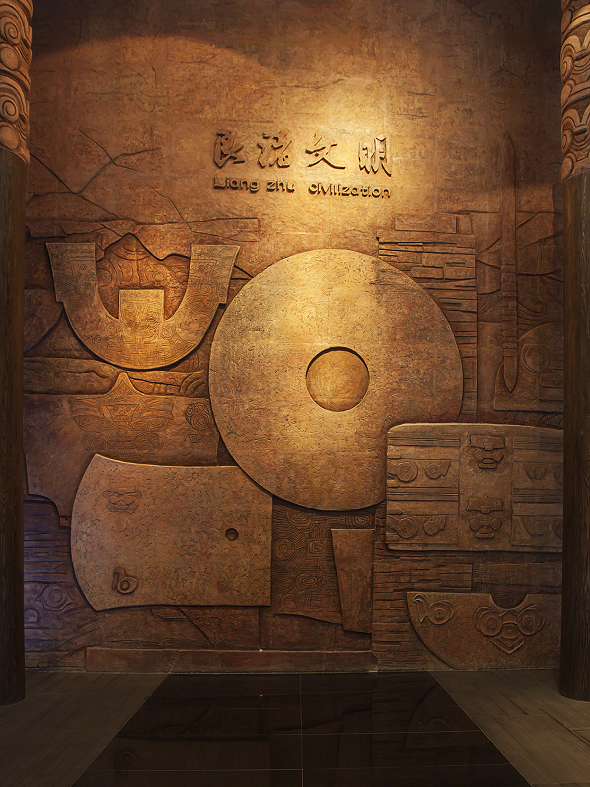
杭州在中国古代历史上有三个重要时期:考古发现五千年前的良渚古城,被中国考古界称为古代'中华第一城”;公元10世纪,吴越国发展民生与佛教文化,实行“保境安民”,缔造了“地上天宫”;公元1138年,南宋迁都杭州,发展文化、商业、艺术、工技,繁荣贸易,促进中外交流,鼎盛时期人口超150万,是当时世界第一大都会。
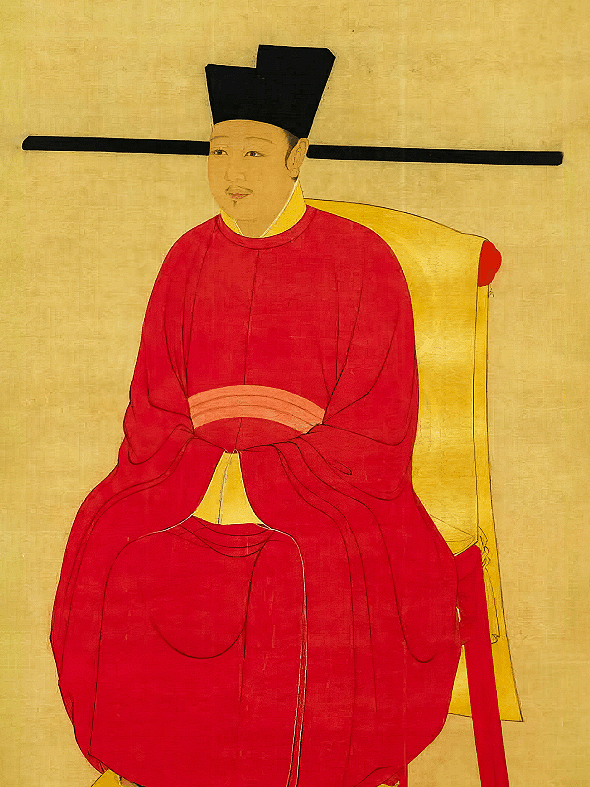
Southern Song Culture
When the Southern Song Dynasty moved its capital to Lin’an (present-day Hangzhou) in 1138, the fusion of Central Plains and Wuyue cultures nurtured a refined and open-minded spirit that came to define Southern Song culture.
Liangzhu Culture Site
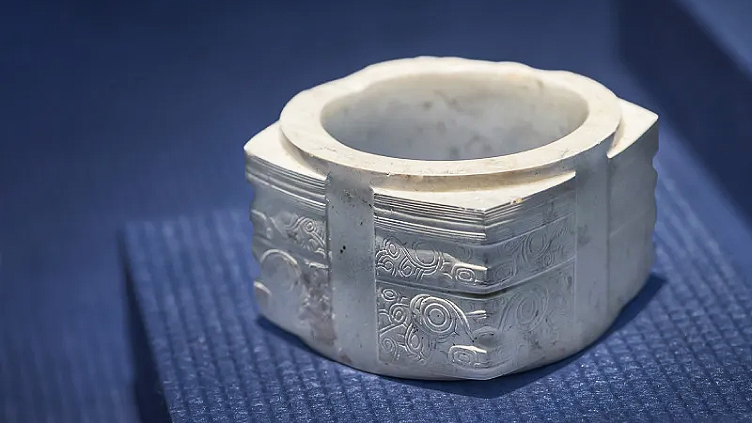
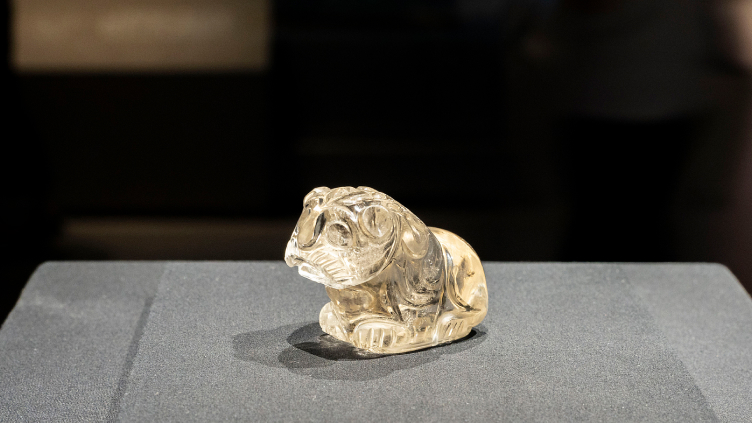
Situated in Yuhang District, north of Hangzhou, the Liangzhu culture dates back approximately 4,500 to 5,300 years. Renowned for the extensive collection of jade artifacts unearthed, the site is considered the genetic source of Chinese culture.
Wuyue Culture
With its distinct regional identity, Wuyue culture, founded by King Qian, prospered under the five successive kings across three generations. Through their enduring efforts, it reached unprecedented heights , marked notably by the flourishing of Buddhism.
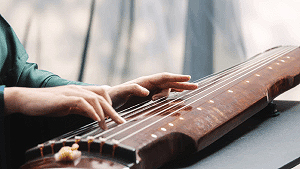
Hangzhou is among China’s major centers of traditional arts and crafts design, production, sales, and international trade. Three of its traditional legacies are recognized on the UNESCO Representative List of the Intangible Cultural Heritage of Humanity: the Xiling Seal Engraver’s Society, the Yuhang rinsing silk wadding manufacturing craftsmanship and Hangluo silk weaving craftsmanship, and the guqin art of Zhe School – an ancient Chinese zither art.